
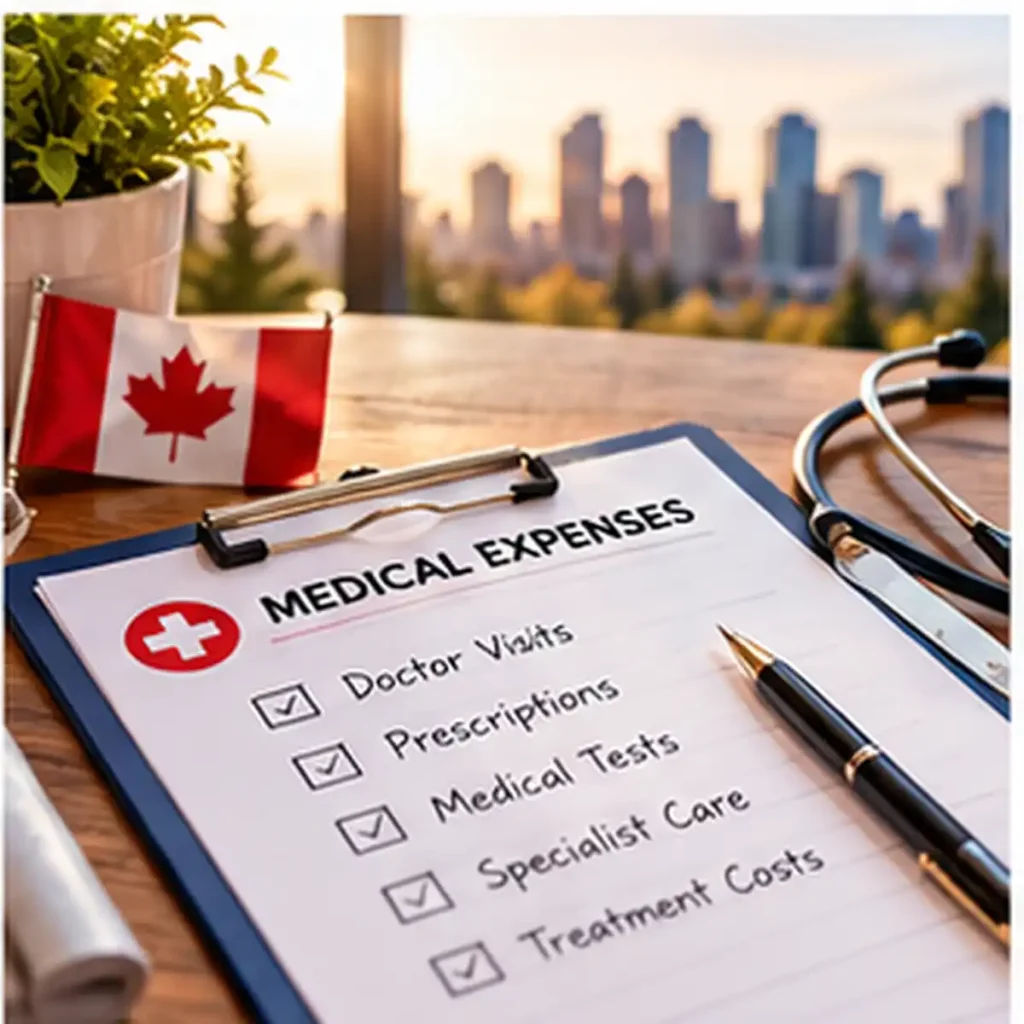
 Healthcare is an important part of Canadian life, but not every medical or dental expense is fully covered by provincial health insurance. Prescription medications, dental treatments, vision care, medical equipment, and certain therapies can create unexpected financial responsibilities. Canadians exploring online loans for medical expenses in Alberta should understand the available payment options, investigate insurance coverage, and carefully compare borrowing costs before committing to financing.
Understanding Healthcare Expenses in Canada
Canada’s publicly funded healthcare system covers many medically necessary services, but coverage varies by province and type of treatment.
Dental procedures, prescription medications, eyeglasses, physiotherapy, and certain medical supplies may require additional payments.
Some Canadians have workplace benefits or private insurance that cover part of these expenses.
Others must pay directly or rely on government assistance programs when eligible.
The financial impact can be particularly difficult when several healthcare expenses occur within a short period.
A major dental procedure or necessary medical device can place pressure on a household budget that has little room for unexpected costs.
Reviewing Insurance Coverage Before Paying
Before accepting a treatment estimate, review any available health or dental benefits.
Insurance plans may cover certain services fully or partially, depending on the policy.
Deductibles, annual limits, waiting periods, and exclusions can affect the amount reimbursed.
Contacting the insurance provider before receiving nonemergency treatment can help clarify expected costs.
Some healthcare providers can submit estimates to insurers in advance.
Patients should also ask whether direct billing is available, as this may reduce the amount they must pay upfront.
Understanding the actual out-of-pocket expense is essential before investigating financing.
Requesting a Detailed Treatment Estimate
When a medical or dental procedure is expensive, ask for a written estimate whenever practical.
The document should identify the proposed treatment, expected fees, and any additional costs.
For nonurgent treatment, patients may have time to seek a second professional opinion.
However, medical decisions should be based on appropriate clinical advice rather than price alone.
The least expensive treatment is not necessarily the most suitable one.
Patients should discuss available treatment options, expected outcomes, and timing with qualified healthcare professionals.
Asking About Healthcare Payment Plans
Some dental clinics, vision care providers, and other healthcare businesses offer payment arrangements.
These may allow patients to divide the expense into smaller payments.
However, financing arrangements can involve interest or administrative charges.
Patients should review the total amount payable and any conditions associated with missed payments.
A payment plan offered through a healthcare provider may be worth comparing with external borrowing options.
The availability and cost of these arrangements vary considerably.
Investigating Government Assistance
Certain Canadians may qualify for government-supported health benefits.
Eligibility can depend on age, income, disability-related circumstances, insurance status, or other criteria.
Programs supporting eligible prescription, dental, or medical equipment costs may reduce the need for borrowing.
The Canadian Dental Care Plan and applicable provincial programs are examples of benefits worth investigating where relevant.
Consumers should confirm current eligibility requirements directly through the appropriate program.
Evaluating Online Loan Costs
If medical financing remains necessary, consider the full repayment obligation.
Personal instalment loans, lines of credit, and short-term loans have different repayment structures.
A loan with a longer repayment period may reduce the size of individual payments but could increase total interest costs.
Payday loans generally carry high borrowing costs relative to their short terms.
Before accepting financing, ensure the repayment schedule does not interfere with essential household needs.
Preparing for Future Healthcare Expenses
Medical needs cannot always be predicted, but certain expenses occur regularly.
Dental examinations, prescription renewals, eyeglasses, and ongoing therapies may be included in a household savings plan.
Where available, workplace health spending accounts can also help manage eligible costs.
Setting aside manageable amounts throughout the year may reduce the need for borrowing.
Making Healthcare Financing Decisions Carefully
Unexpected healthcare costs can create both emotional and financial stress.
However, financing should be evaluated after considering insurance coverage, provider payment arrangements, and available assistance.
A suitable solution should support necessary care without creating unaffordable repayment obligations.
For Canadians managing medical expenses, understanding the full cost and exploring alternatives can help protect household finances.